
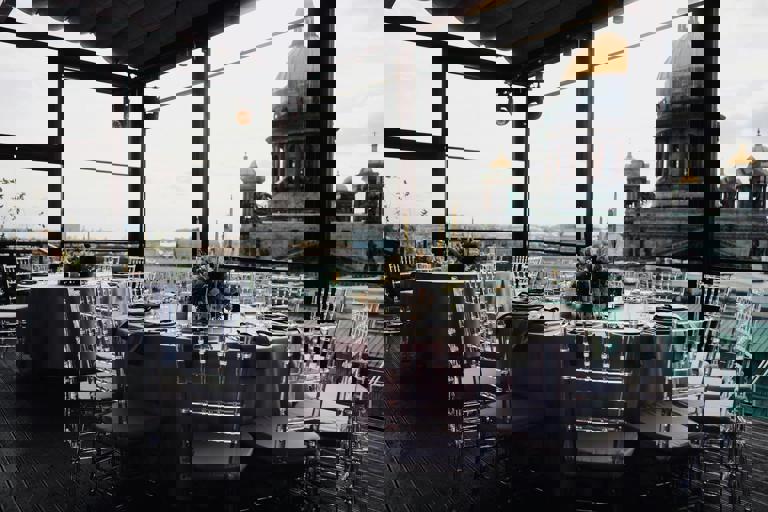
Amid the gleaming cityscape, an innovative culinary venture is capturing the attention of urban food enthusiasts. Renowned chef Daniel Reyes has unveiled a pioneering restaurant concept that merges cutting-edge aquaculture with gourmet dining. Situated atop a downtown high-rise, his new establishment, BlueSky Fish & Table, introduces diners to seafood so fresh it travels mere meters from sustainable rooftop tanks to plated perfection. This approach signals a bold shift in how cities can embrace localized, eco-friendly dining.
Chef Reyes, already celebrated for his imaginative approach to cuisine, saw the untapped potential of repurposing underutilized rooftop spaces. "Cities need creative solutions to food security and sustainability," Reyes explains. "Rooftop aquaculture brings the source and the consumer closer together than ever before." His ambitious project, several years in the making, required navigating challenges in engineering, urban farming regulations, and culinary innovation.
The heart of BlueSky is its state-of-the-art aquaculture system, featuring a series of stacked tanks nurturing tilapia, trout, and assorted shellfish. Each aspect of the system, from temperature control to water filtration, is monitored digitally to ensure optimal conditions for both the fish and the surrounding environment. According to Reyes, this level of oversight not only guarantees the highest seafood quality but also minimizes ecological impact by recycling water and nutrients within a closed loop.
City councillor Priya Desai, who attended the restaurant’s launch event, touted the rooftop fish farm as "a model for urban sustainability." In her view, integrating food production into the urban core supports local economies, reduces transportation emissions, and provides residents with a unique connection to their food sources. "It’s an inspiring example of what cities can achieve when innovators and policymakers collaborate," Desai remarked during her visit.
Guests entering BlueSky find themselves immersed in an atmosphere that blends urban chic with natural tranquility. Diners can peer into transparent tanks to observe the fish and interact with aquaculturists, creating an educational element that extends beyond the plate. This transparency fosters trust, with Reyes emphasizing, "Our diners know exactly where their food comes from—and they can see how it’s raised right before their eyes."
The menu itself is a testament to creativity and freshness. Signature dishes, such as citrus-cured trout and herb-stuffed tilapia, showcase seafood pulled from the tanks just hours before service. Chef Reyes and his team pair these proteins with hyper-local greens and herbs grown in adjacent rooftop planters, further minimizing the restaurant’s carbon footprint and enhancing the flavors with truly urban terroir.
According to restaurant manager Rosa Chen, patron response has been overwhelmingly positive. "We’ve seen curiosity drive both locals and tourists to our doors," she notes. "Many are excited by the novelty, but most come back for the taste—there’s nothing like fish raised right here and served the same day." Reservations have surged since opening, with many evenings booked solid weeks in advance.
Beyond its culinary aspirations, BlueSky has become a beacon for sustainability advocates. Erin Gold, founder of the Urban Food Network, claims, "This operation proves that local food systems can thrive in the heart of a city, even with challenges like limited space and demanding infrastructure." She believes rooftop aquaculture could inspire similar setups, particularly in Canadian cities committed to climate goals and local food resilience.
The rooftop fish farm requires strict adherence to health and safety protocols. Reyes consulted with aquaculture experts and city health officials to establish a closed system that exceeds regulatory standards for purity and animal welfare. Each fish is tracked from hatchling to harvest, with regular water tests and dietary records ensuring full traceability—a level of diligence normally found in large-scale operations.
Financially, the venture required significant upfront investment for custom tanks, energy-efficient climate control, and advanced filtration. However, Reyes believes the model is scalable and practical. "As cities adopt green roofs and prioritize local food, these ventures become more feasible," he asserts. With support from urban agriculture grants and private backers, BlueSky has set a precedent others may soon follow.
The influence of BlueSky extends into education, with the restaurant offering workshops for students and aspiring chefs. Classes focus on aquaculture basics, sustainable sourcing, and rooftop farming. Chef Reyes reflects, "We’re not just serving meals—we’re cultivating the next generation of food leaders and conscious consumers." These programs have already attracted partnerships with local schools and culinary institutes.
For those interested in replicating the concept, the BlueSky team is working on a toolkit detailing lessons learned and best practices. This toolkit encompasses system design, regulatory compliance, and culinary integration, providing a roadmap for restaurateurs and developers envisioning similar projects. Reyes anticipates further collaborations with city planners and environmental organizations eager to multiply the concept.
Looking to the future, Reyes sees rooftop aquaculture as a critical piece of urban resilience. "With populations rising and climate pressures mounting, cities must reimagine how food is sourced and consumed," he says. He hopes BlueSky will pave the way for a new era where city dwellers enjoy not just the taste of fresh seafood, but also a sustainable and transparent food system rooted in local innovation and community engagement.